
When it happens, you'll be expected to make fast decisions under pressure, often with little prior guidance. This guide covers your responsibilities, your liability exposure, and what the remediation process actually involves.
What "Unattended Death" Means in Practice
An unattended death occurs when a person passes away and is not discovered for a period of time — hours, days, or in some cases weeks. The longer the interval, the more severe the biological contamination of the scene.
Decomposition begins within hours of death and accelerates rapidly in warm climates like Houston. Affected surfaces — flooring, subfloor, walls, HVAC systems — can absorb biological material that is invisible to the naked eye but remains a serious biohazard. This is not a situation that can be remediated with standard cleaning products or general contractors.
Your Responsibilities as a Property Manager
Once authorities have completed their work and released the scene, responsibility for the property's condition falls to you. Here's what that means in practice:
- Do not re-enter the scene for non-essential purposes — bloodborne pathogens, including hepatitis B and C, can survive on surfaces for days; HIV can persist for up to a week under certain conditions
- Do not attempt to clean the scene yourself — OSHA's Bloodborne Pathogen Standard (29 CFR 1910.1030) establishes requirements for safe handling of biological material; non-compliance exposes you and your staff to liability
- Document the condition of the unit thoroughly — photos and video before any remediation begins are essential for insurance claims and potential legal disputes
- Notify your insurance carrier — most commercial property policies cover biohazard remediation; your insurer will want to be involved before work begins
- Contact next of kin carefully — if the deceased was a tenant, you have legal obligations regarding their belongings that vary by Texas law; consult your attorney before removing any personal property
What Texas Law Requires
Texas does not currently have a statewide disclosure law specifically for unattended deaths in residential properties, but there are practical legal considerations every property manager should know:
- You are not required to disclose a death on the property to future tenants in most circumstances under Texas Property Code — but courts have found liability where landlords concealed a known health hazard
- A remediated unit that receives a professional clearance certificate carries significantly less legal risk than one that was cleaned informally
- If the unit was rent-controlled or subsidized housing, federal guidelines may impose additional requirements
What the Remediation Process Involves
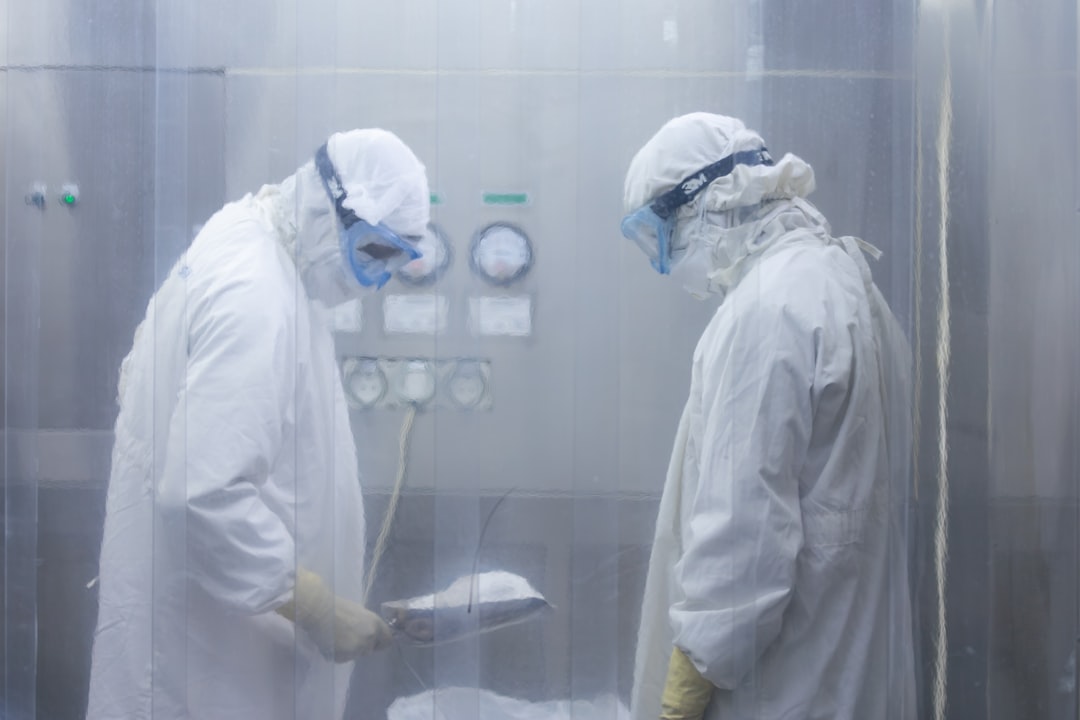
Professional biohazard remediation is a regulated, multi-step process — not a deep clean.
- Scene assessment — identifying all affected surfaces, including areas not visible (under flooring, inside wall cavities, HVAC ducting)
- Containment — sealing the area to prevent cross-contamination of adjacent units or common areas
- Removal of porous materials — carpet, padding, drywall, and flooring that have absorbed biological material typically cannot be cleaned and must be removed and disposed of as regulated biohazardous waste
- Disinfection — EPA-registered disinfectants rated for bloodborne pathogens are applied to all affected hard surfaces
- Odor remediation — thermal fogging, ozone treatment, or hydroxyl generation depending on severity; decomposition odor that is not fully treated will return after the unit is closed up
- Clearance testing — ATP testing or air quality sampling to confirm the space is safe for re-occupancy
A properly documented clearance report also protects you against future claims that a health hazard was left unaddressed.
Insurance Coverage: What to Expect
Most commercial property insurance policies cover biohazard remediation costs under their pollution or contamination provisions. Some policies include specific biohazard or trauma scene endorsements. Coverage typically includes:
- Professional remediation labor and materials
- Disposal fees for regulated biohazardous waste
- Structural repair if materials needed to be removed
- Loss of rental income during remediation (if your policy includes business interruption)
File the claim before authorizing any work. Most carriers require prior approval to avoid disputes over scope and cost.
How Flat-Out Restoration Handles These Situations
We respond discreetly, quickly, and with the documentation protocol that property managers and insurers require. Our technicians are trained and certified in bloodborne pathogen remediation, and we treat every scene — and every person involved — with the seriousness the situation demands.
We provide a full written scope of work before we begin, work directly with your insurance adjuster, and issue a clearance report upon completion. If you manage residential or commercial properties in the Houston area and need a remediation partner you can call with confidence, we're here.
Need immediate assistance?
Call (832) 904-9001 or request a quote online.